Warning Signals and Predictable Risks
READING TIME: 13 minutes
Miners who are suspicious of the environment in a mine shaft traditionally sent a canary into the tunnel to test the air. If the canary did not return, or returned weakened by the air it was breathing, the miners acted quickly to abate the threat of noxious air which might kill the miners and ruin the project. The practice has become a euphemism for a small voice portending something largely detrimental to a greater structure. Perhaps African governments should consider South America and Southwest Asia as their canaries warning of grey swan events to come, i.e. for understanding predictable peril in managing relationships with the US and Israel.
Key Points:
- West Africa faces rising exposure to predictable geopolitical risks (“grey swan events”).
- Global conflicts are already triggering economic shocks, especially in energy markets.
- Weak regional coordination increases vulnerability across ECOWAS states.
- Strengthening regional cooperation and domestic capacity is critical for resilience.
Background
Ghana’s most recent role in the growing Southwest Asia conflict has been to evacuate its citizens from Iran. On 28 February 2026, the Ministry of Foreign Affairs announced the evacuation of several embassy staff from Tehran and assisted Ghanaians in evacuating from Bahrain, Kuwait, Qatar, and the United Arab Emirates. The current events are reminiscent of a similar evacuation in June 2025. Israel is asking for Ghana’s support based on Ghana’s roles in the International Atomic Energy Agency (IAEA), the Economic Community of West African States (ECOWAS), and the African Union (AU).
Israel is also courting Nigeria, as is Iran, for Nigeria’s economic and security leadership in the region. Focusing on Nigeria’s security concerns, the Israeli ambassador to Nigeria recently accused Iran of backing Islamic terrorist organizations in Nigeria. Tehran’s ambassador to Abuja called, labeling the Shi’ite Islamic Movement of Nigeria protests against the US killing of the Iranian supreme leader as terrorist activity and “possible false-flag terrorism by the Israelis.” The ambassador made a fulsome condemnation of terrorism, and both Iranian officials and Nigerian Shi’ite organizations denied accusations of linkages to terrorist organizations. Further, the Iranian ambassador cited the 60-year relationship between Iran and Nigeria, and pledged support for the Nigerian fight against terrorism threats from Boko Haram and the Islamic State of West Africa.
Nigeria, Ghana, and other countries around the world are being economically pressured by the United States, which is imposing 25 percent tariffs on goods imported into the United States from countries that trade with Iran. The US policy, effective from 6 February 2026, would affect the continuation of the $287 million in petroleum and cocoa beans imported to the United States from Nigeria in December 2025 alone. The current Nigeria-Iran trade relationship is less than 1% of Nigeria-US trade; however, Nigeria and Iran indicated new, robust levels of interaction in trade, investment, energy, and strategic cooperation in December 2025, which may mitigate any harm to Nigeria from US tariffs. Similarly, Ghana’s nearly $40 million in cocoa products exported to the United States would be affected by new tariffs. Iranian trade would not be able to offset the decline in Ghana-US trade since annual trade with Ghana is in the low $200,000’s with no appreciable prospects for increased trade in the near future.
This is where Western Africa’s governments should be closely monitoring the canary.
Ghana, Nigeria, and other countries in the region likely have been watching the combined US-Israeli activity worldwide in recent years. The United States has supported Israel against Palestine, most notably since October 2023, both with weapons and with diplomatic support against the world at the United Nations. The US military has acted unilaterally against Venezuela since September 2025, attacking at least 35 small boats in the Caribbean’s international waters, killing at least 115 people, and forcibly removing the country’s president. Allegations from the US accused those attacked of having supported terrorism or the Iranian government and being involved in oil theft. In February 2026, the US launched Operation Pacific Viper off the coast of Ecuador against organizations the US State Department designated as narco-terrorists. Ecuador’s president said the combined US-Ecuador mission, initiated by the US, is battling waves of violence linked to drug trafficking and illegal mining in Ecuador.
Israel’s connection to mining in African countries is varied and complex. Israel’s impact on West African mining includes the government’s failure to prosecute or sanction Israeli citizen Beny Stienmetz, among others, for illegal mining and corruption in Guinea. Operation Epic Fury, if continued into late March 2026, will jeopardize copper and other mining throughout western Africa because, according to industry analysts, the sulfur dioxide used in the acid-leaching mining technique is typically obtained from Southwest Asian countries.
International Relations
Since Ghana and Nigeria are both dealing with significant national security concerns surrounding mining, illegal mining, and terrorism, closely monitoring how Israel and the United States are dealing with these issues in other countries around the world would be instructive for African governments in planning future relationships. The US and Israeli habitual actions of inconsistent interference and non-intervention create the economic and diplomatic environment that should give African governments pause. In international relations terminology, US and Israeli actions in South America and Southwest Asia could be a mixture of the canary in the coal mine and a grey swan event. Grey swan events, unlike black swan events, which are unpredictable, massive impact, explained away by concocted hindsight, are predictable, have cascading effects, and hindsight explanations point to human errors in judgment.
Because grey swan events are predictable and can cascade easily, several considerations are appropriate for West African governments to decrease human judgment errors regarding the state of international relations and its effects on West African countries.
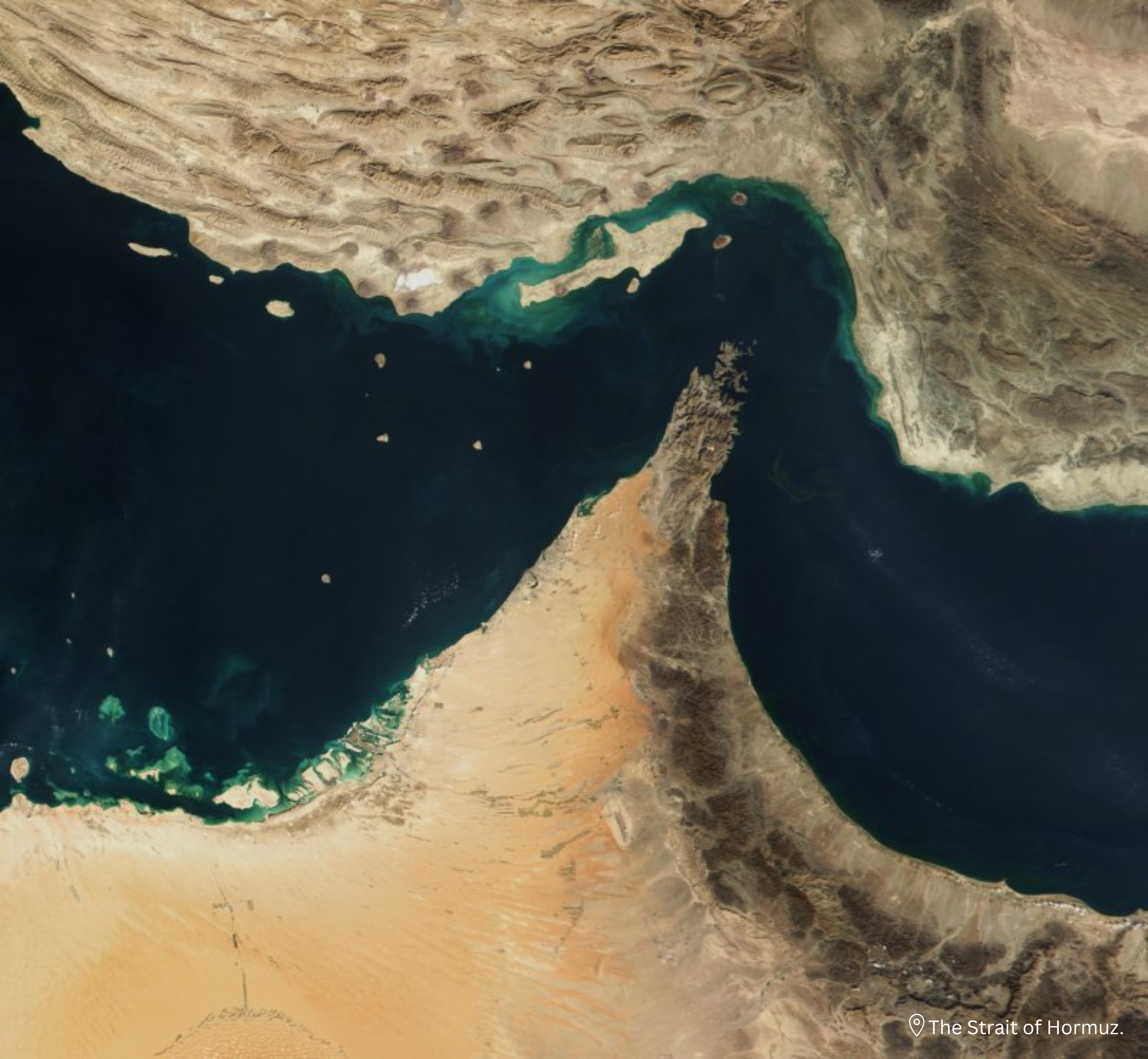
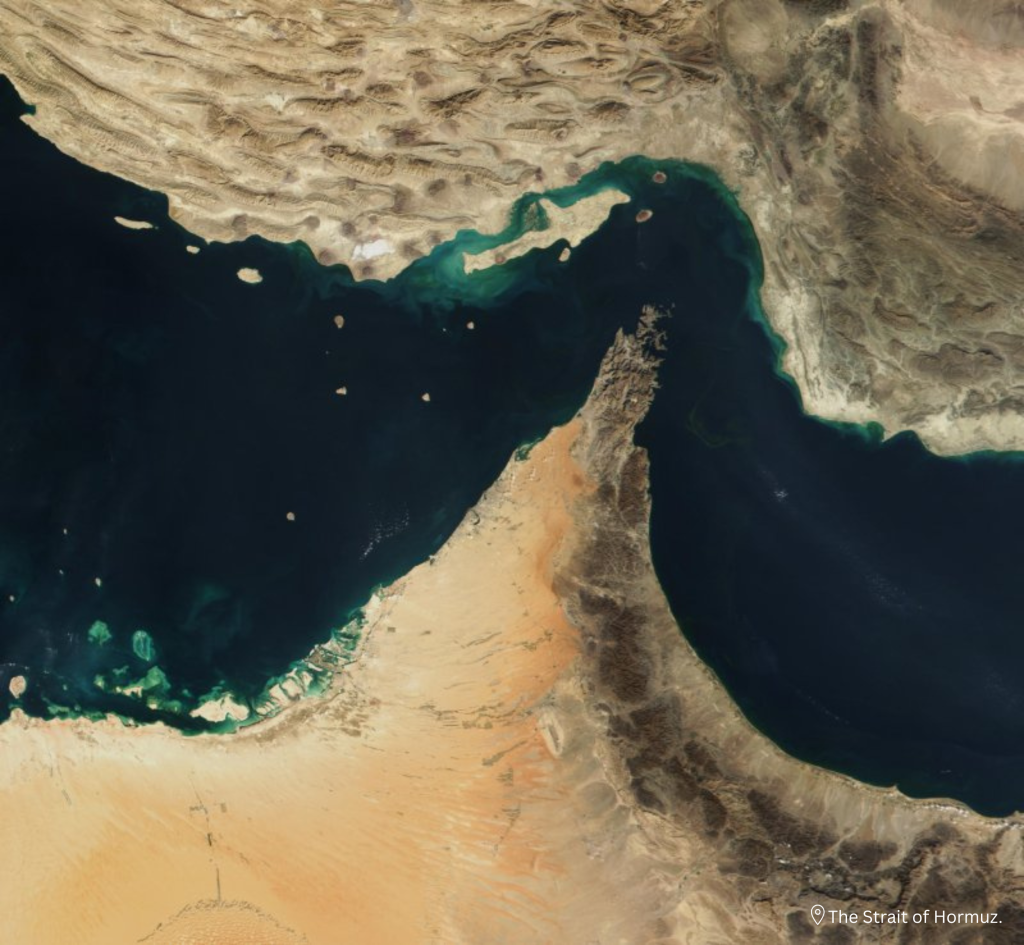
First, immediate economic difficulties are highly likely to become long-term problems for the economy. The price of petroleum per barrel worldwide has increased approximately 28 percent in the first week of the US-Israeli war on Iran. Iran’s response to the US and Israel was targeted drone strikes on vessels in the Strait of Hormuz, causing marine insurers to withdraw coverage from vessels in the region. The lack of insurance and the threat of bombing effectively shut down shipping in the channel, through which 20 percent of the world’s petroleum products transit.
The effect on African industries reliant on petroleum and petroleum byproduct imports will be devastating price increases. Fuel prices in Abuja are already scheduled to rise from N1,092 to N1,400 per liter on 10 March 2026, with one petroleum association leader estimating prices may surge to N2,000 or N3,000 per liter if the government does not step in. Dangote Refinery is projected to supply 92 percent of Nigeria’s petrol as imports are delayed, but that only helps supplies and prices in Nigeria. Ghana’s National Petroleum Authority announced an increase to GHc10.46 per liter as the price floor for the first two weeks of March 2026, with further increases expected.
To date, there have been no announcements of discussions between Nigeria and Ghana, or within ECOWAS leadership, regarding regional petroleum-sharing schemes to positively affect supplies and prices in the subregion. Without shared plans and agreements, petroleum price increases will compound import and export costs, which are already rising due to prolonged shipping times and higher maritime insurance costs. Further knock-on effects will spread to economic sectors not directly impacted by price hikes and logistics hurdles, slowing overall national economic growth by the end of the year. This has been, and will likely be the projected pattern for African countries, which typically follows global distress in the petroleum sector. The pattern provides impetus for renewing urgent calls for African companies and governments to rapidly increase domestic and regional refining capabilities.
grey swan events are predictable and can cascade easily, several considerations are appropriate for West African governments to decrease human judgment errors regarding the state of international relations and its effects on West African countries.
Second, as with predictable economic patterns, predictable political patterns are also developing in line with history. African reactions, which may be a type of strategy, trend toward hedging, balancing, and selective alignment. Just as with World War I, World War II, and the Cold War, African countries are being asked to align with and support either the US-Israeli side of the war or the Iranian side. Nigeria, Ghana, and the Gambia have called for maximum restraint in general and appealed to all parties to protect civilians and infrastructure. Statements by these three countries continue the history of non-alignment and give the impression of protecting potential future relationships in a battle where a clear winner is difficult to determine. Senegal’s Prime Minister Sonko took a different approach, condemning US-Israeli actions as compromising the world power balances built over the last 50 years.
The sentiment is consistent with Senegal’s leadership in The Hague Group, which was established in 2025 by 31 countries, largely from the Global South, to coordinate efforts to enforce international law, especially in support of the people of Gaza. The Hague Group convened on 4 March 2026, with 40 countries present, including Côte d’Ivoire, Ghana, Nigeria, and 10 other African countries, to discuss travel restrictions, settlement bans, and arms limits against Israel. Israel called the discussions anti-Israeli; however, the Hague Group’s actions might well be seen as countering US favoritism toward Israel, consistently demonstrated at the United Nations, where the voices of the Global South have been silenced behind US vetoes.
Moving forward, Western African countries will likely have to decide which international governing body – the Hague Group or the United Nations – will receive support from either individual states or regional groups. The cascading effects and huge impacts of such a decision are readily predictable.
Responses
For West African governments to respond to current events from an ideology that prioritizes regional concerns, the countries and regional organizations would need to forge stronger relationships than currently exist. The growing war in Southwest Asia may provide an opportunity for ECOWAS countries to bridge their divides, as superficially reflected in linguistic groupings, for the betterment of the region. Deliberations for action could start in three areas: military response, domestic reliance, and public support.
Military Response
West African militaries currently lack the capability to support extra-African conflicts in addition to their national and regional missions. Aside from maintaining a nominal peacekeeping presence within United Nations forces, national government efforts for domestic supply and logistical support to African militaries should be the priority. This shift in emphasis might also include cutting contracts with Israeli suppliers in preparation for two likely events. First, Israeli companies will likely slow foreign weapons production in favor of their own domestic weapons requirements. Second, Israel’s ability to fulfill foreign weapons commitments or logistically deliver orders is likely to be hampered beyond the end of Operation Epic Fury. Therefore, Africa’s continued reliance on weapons deals with Israel is very likely to leave unarmed troops in Africa unless domestic and regional production is rapidly increased. Nigeria, Ghana, Mali, and Senegal are prolific consumers of small arms and light weapons. Each country is slowly increasing its domestic weapons production, but is likely to fare better as a region if each follows the United Nations Institute for Disarmament Research guidance and leans toward a specialization that can be exported within the region.
Domestic Reliance
Regional economic sector leaders could rapidly scale up domestic production and prioritize international trade within the region. This concept has been advancing since the creation of the African Continental Free Trade Agreement — a 54-nation accord designed to integrate African markets and reduce dependence on external trade partners; however, AfCFTA implementation has slowed, if not stalled. A regional emphasis on AfCFTA, trade relationships, the launch of the Africa Credit Rating Agency, and incentivizing trade agreements under the ECOWAS auspices can all significantly strengthen African partnerships and sustain regional economic growth trajectories.
Increased maritime trade between Dakar and Lagos would reduce the scarcity of goods among littoral countries and provide greater opportunities for landlocked African countries to trade with the broader Global South. Funding and transactions can be made bilaterally or using BRICS and AfCFTA mechanisms without going through the global North banking systems. A renewed emphasis on the public and private use of regional capabilities is what the African private sector seems to be clamoring for. An example of nascent collaboration that has the potential to be rapidly scaled up is the use of the ACRA within the ECOWAS offices of economic and financial integration and partnerships to expand public-private ventures for regionally beneficial petroleum production.
When well-informed communities understand the decisions being made through transparent, accountable practices, see the projected benefits of short-term hardships, and feel the tangible impact of incremental positive changes, they are more likely to support both their own governments and their governments’ long-term vision.
Public Support
Public opinion in Africa has been calling for stronger African voices in governing regional and global affairs. Permanent African representation on the United Nations Security Council has not materialized. Actions by the United States and Israel in Gaza, the US extraterritorial apprehension of President Maduro in Venezuela, and now the US-Israeli war against Iran are bringing more average citizen protesters to the streets in African cities. However, there is very little press coverage showing African governments addressing public opinion, discussing protesters’ perspectives, or outlining plans to coordinate with communities on these issues.
Communicating the longevity of the coming economic hardships in West Africa, which will predictably result from the US-Israel war with Iran, will be key for regional leaders to gain popular support. When well-informed communities understand the decisions being made through transparent, accountable practices, see the projected benefits of short-term hardships, and feel the tangible impact of incremental positive changes, they are more likely to support both their own governments and their governments’ long-term vision. These principles for good governance are not new. However, the opportunity for renewed emphasis and more consistent implementation of them is being provided.
In summary, if the African canary is coming out of the US-Israeli-versus-Iran-war coal mine, surely elected officials can see the bird is not breathing well, and mitigation plans need to be implemented quickly. African governments, rightly suspicious of the toxicity levels in proximity to the combatants, might now see the predictable grey swan event taking place, and take the opportunity to exploit their knowledge of the probability of what happens next to prepare their countries and region appropriately and avoid the cascading effects of human errors in judgment.
AUTHOR’S BIO
Dr. Gia Cromer has been a student of Africa since her undergraduate years at Howard University. After joining the United States Air Force, she continued her studies by simultaneously completing a Master’s Degree in African Studies at Johns Hopkins School of Advanced International Studies and a Master of Science in Strategic Intelligence at the Joint Military Intelligence College. She has specialized in African government systems, conflict management, and U.S. foreign policy. Throughout her military career, Lt. Col. Cromer had assignments in South Korea, Germany, England, throughout the Middle East, Angola, Sierra Leone, and Nigeria before retiring from active duty. Ms. Cromer obtained her doctorate from George Mason University, researching post-conflict national education system development in Africa. Dr. Cromer continues to research areas regarding education policy, education in Africa, and the intersection of education and conflict.
The views expressed in this article are those of the author and do not necessarily reflect the official position of the Centre for Alternative Politics & Security West Africa (CAPSWA).